ENT Units
VISUAL SYSTEM NET-260 / MG-150
Manufacturer: Kazama
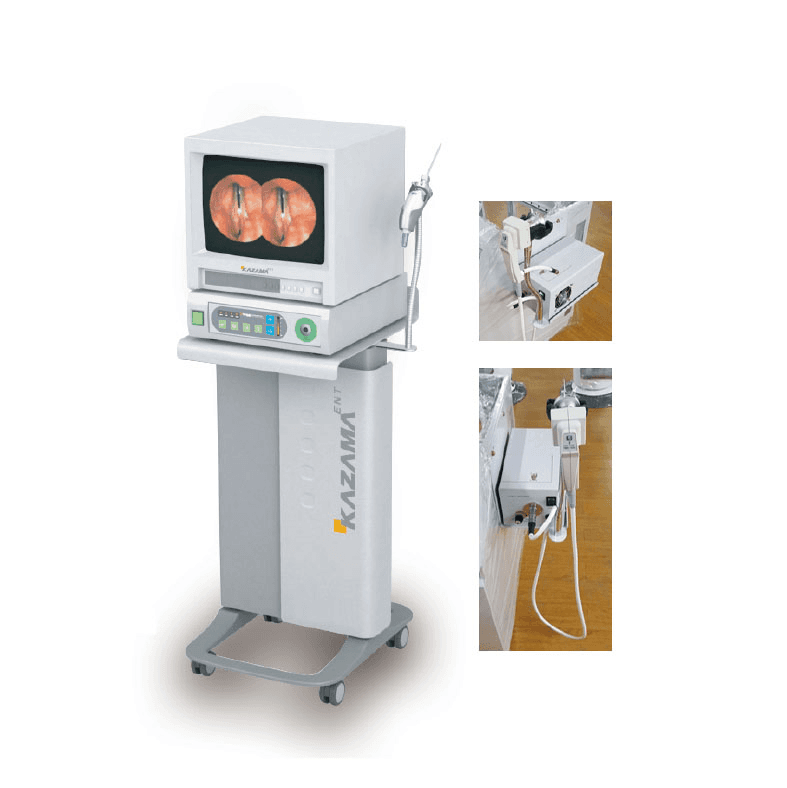
ENT visual diagnosis system with Full HD capture, review, and print-ready data workflow.
Overview
VISUAL SYSTEM NET-260 / MG-150 is important because it speaks to buyers looking for ENT visualization and documentation, not just furniture or treatment-unit hardware. Its main value is that it supports symptom display, image capture, memory, and print-ready documentation in one setup for chairside ENT diagnosis.
This page should appeal to clinics modernizing diagnostic communication as well as distributors upgrading visualization in existing ENT rooms. The two-variant range also helps: NET-260 and MG-150 give buyers different equipment sizes while keeping the same Full HD visualization and documentation support.
The page should clearly connect image quality, patient communication, and documentation. Buyers looking for ENT camera systems or visual diagnosis platforms want to know how the system supports real consultations, not just whether it outputs video.
Applications
- ENT clinics that want better visual communication with patients during ear, nose, and throat examinations.
- Procedure rooms and diagnostic setups that need capture, memory, and print-ready documentation in addition to live viewing.
- Retrofit projects where distributors are upgrading older ENT rooms with modern visualization and image-management capability.
Buyer Fit
- Clinics that already have treatment hardware but need stronger visual diagnosis and documentation workflow.
- Procurement teams comparing visualization systems by capture modes, footprint, and support for patient-facing consultation.
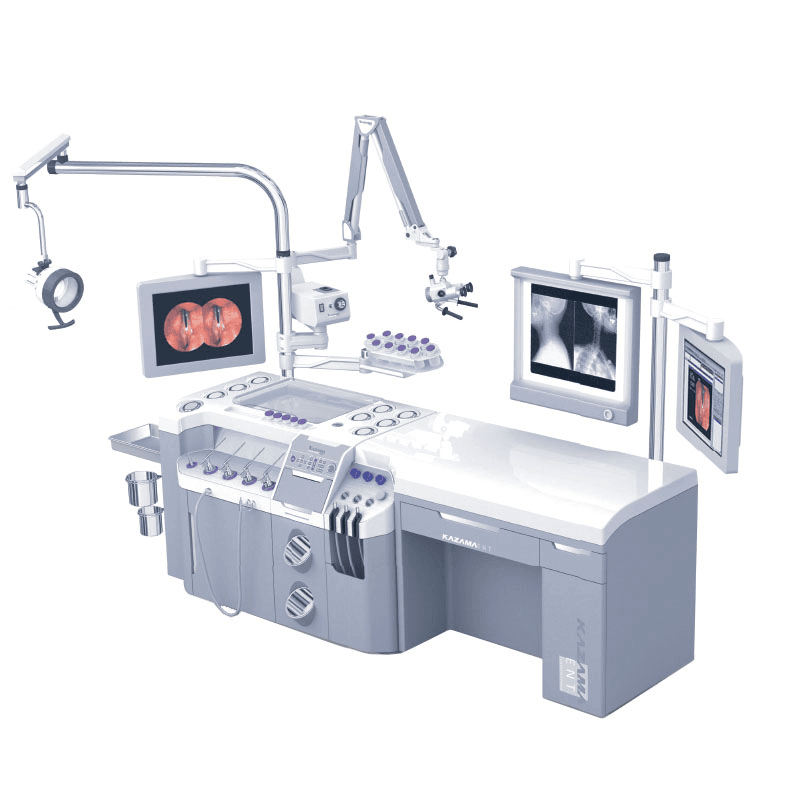
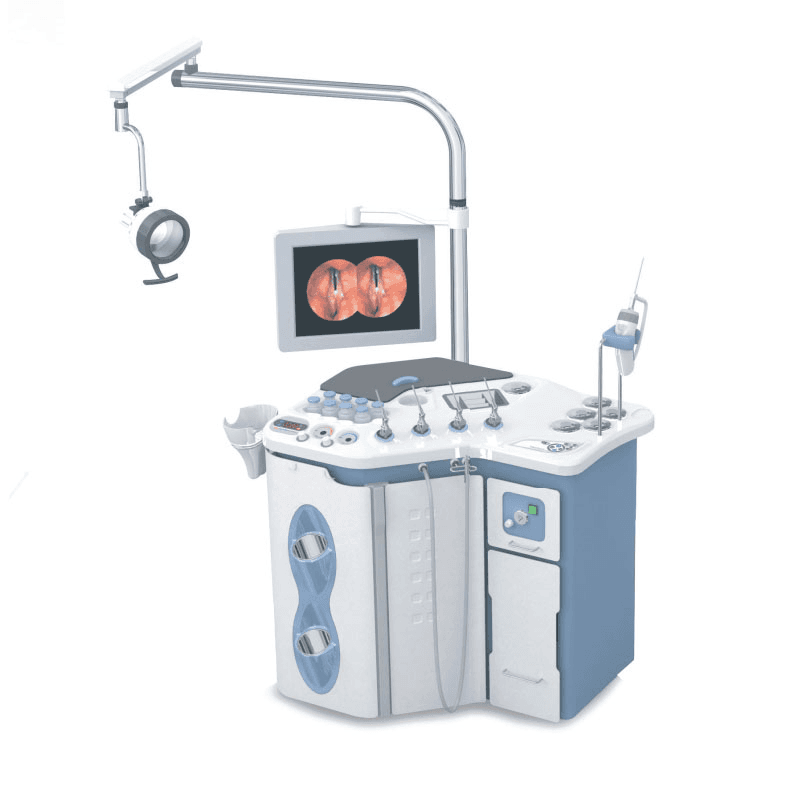
- Import partners packaging visual systems with Kazama treatment units for a more complete ENT room proposal.
Procurement Focus
- Clarify whether the buyer needs NET-260 or MG-150 based on installation space, preferred light-source profile, and room configuration.
- Review monitor integration, image capture expectations, and print or documentation workflow before the quote is finalized.
- Position the system around clinical communication and documentation value, not only on camera terminology or light-source wattage.
Key Features
- Designed for accurate ENT diagnosis across ear, nose, and throat procedures.
- Displays patient symptoms directly for chairside communication.
- Supports data memory and print output for clinical documentation.
- Frame capture supports 1, 2, and 4-frame modes.
- Available as NET-260 and MG-150 Full HD system variants.
Specifications
NET-260 Light source
80W LED Lamp
NET-260 Light guide
11.5O, 2m, Glass Type
NET-260 Frame capture
1, 2, 4 frames
NET-260 Power consumption
350VA
NET-260 Voltage
AC 220V
NET-260 Frequency
50Hz/60Hz
NET-260 Weight
8kg
NET-260 Dimension
420(W) x 350(D) x 100(H)mm
MG-150 Light source
60W LED Lamp
MG-150 Light guide
11.5O, 2m, Glass Type
MG-150 Frame capture
1, 2, 4 frames
MG-150 Power consumption
180VA
MG-150 Voltage
AC 220V
MG-150 Frequency
50Hz/60Hz
MG-150 Weight
8kg
MG-150 Dimension
205(W) x 148(D) x 102(H)mm
Product Media
Compliance & Downloads
Available downloads
Documentation & quotation support
- Request a variant comparison sheet for NET-260 and MG-150, along with the image-capture and output workflow summary.
- Ask for compatibility and room-use visuals if the system will be sold together with a Kazama ENT unit or another integrated setup.
- For distributor bids, mention whether the buyer wants a standalone visualization proposal or a broader package with treatment-room equipment.
Product FAQ
- Who is NET-260 / MG-150 best suited for?
- It is best suited for ENT buyers who need stronger visual diagnosis, patient communication, and image documentation workflow rather than a purely mechanical treatment-station upgrade.
- What should buyers compare between NET-260 and MG-150?
- They should compare installation footprint, light-source profile, room integration needs, and how each option fits the intended consultation and documentation workflow.
- What should be included in a quotation request for this visual system?
- The request should mention intended room setup, display expectations, capture needs, and whether the system is being evaluated alone or as part of a larger ENT equipment package.