
Buying Guide
How To Choose an ENT Treatment Unit for Clinic Layout and Workflow
A practical guide for distributors and clinics comparing premium and compact ENT treatment-room setups, visual-system integration, and everyday usability.
ENT treatment units are usually purchased as room decisions, not as isolated cabinets. Buyers need to compare room footprint, suction and spray workflow, visual-system readiness, and how easily the physician can move around the patient during repeated daily consultations.
That is why the best ENT equipment proposals start with layout logic. A compact clinic, a premium consultation room, and a showroom installation may all require different unit configurations even if the shortlist appears to be in the same category.
This guide is built to help buyers frame the comparison correctly before they request quotations or start comparing accessory depth and price.
What to decide first
- Define whether the project is a compact-room installation, a premium consultation room, or a full bundled ENT workflow with visualization.
- Measure usable physician movement space, not only the room dimensions, because access around the patient matters as much as the unit footprint.
- Clarify whether the room needs diagnosis only, diagnosis plus treatment, or patient-facing visual documentation as part of the daily workflow.
What to compare between models
- Compare suction configuration, anti-fog support, sanitation options, and cable-management logic rather than only headline electrical specs.
- Check whether the unit supports visual-system integration cleanly or whether visualization will become a separate equipment problem later.
- Review how the option scope changes the final offer, especially when the same brand offers both compact and premium room concepts.
What should appear in the quotation request
- State room type, target procedures, preferred level of visualization, and whether the buyer wants a compact or premium room concept.
- Ask for the accessory list, dimensional context, optional modules, and installation guidance in one commercial packet.
- If the project will be resold by a distributor, include the target market and required product level so the offer matches the intended buyer.


Referenced Models
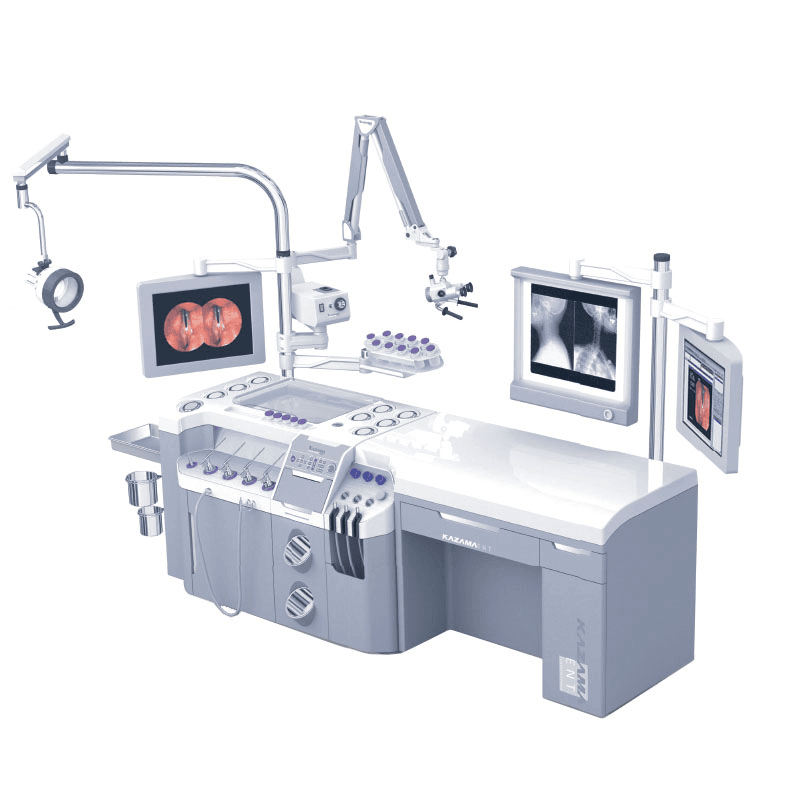
ENT Units
ENT UNIT KAU-3000 HARMONY GRAND
Comprehensive ENT diagnosis and treatment platform with sanitation-focused architecture.
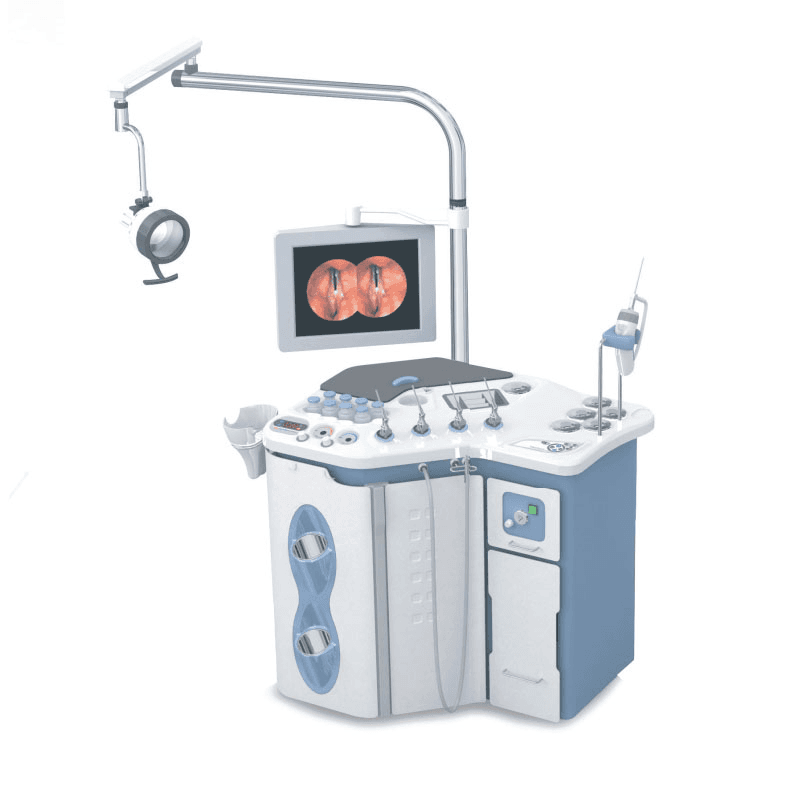
ENT Units
ENT UNIT KAU-3000 STAR
Compact ENT treatment unit designed for space-limited examination and treatment rooms.
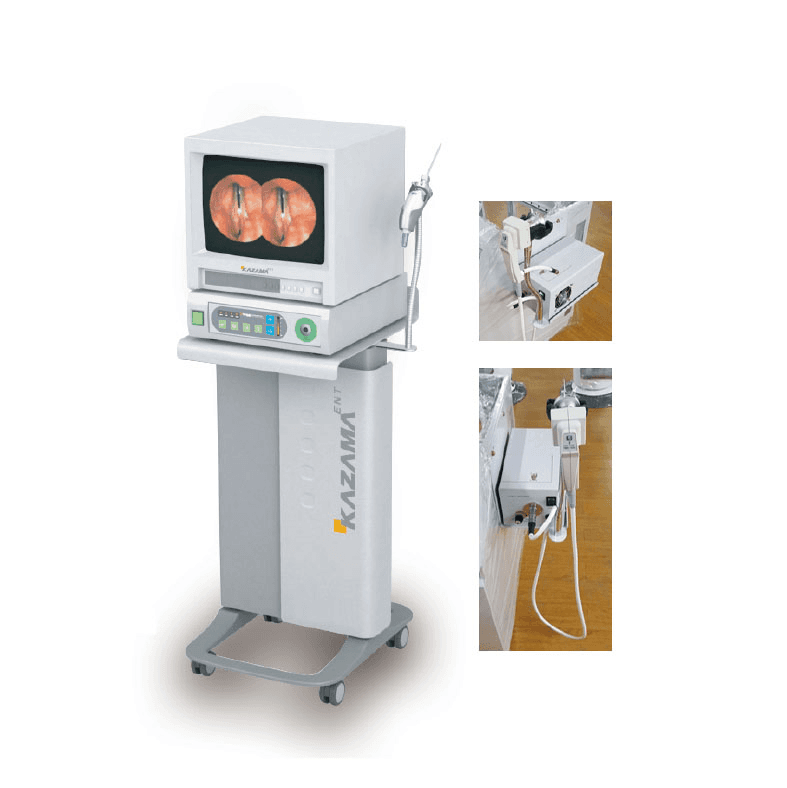
ENT Units
VISUAL SYSTEM NET-260 / MG-150
ENT visual diagnosis system with Full HD capture, review, and print-ready data workflow.
Guide FAQ
- Should buyers choose an ENT unit by room size alone?
- No. Room size is important, but physician movement, patient flow, sanitation logic, and visualization needs are usually just as important as the raw footprint.
- When does a premium ENT treatment unit make more sense than a compact one?
- A premium unit makes more sense when the clinic values room presentation, broader option depth, stronger sanitation support, and more integrated workflow rather than just minimal installation size.
- What is the most common quotation mistake for ENT room projects?
- The most common mistake is requesting price without describing the room context, accessory needs, and visualization plan. That usually leads to incomplete or misleading comparisons.